
Holding Your Files Hostage
Bitcoin is a virtual currency. Transactions are made anonymously without bank involvement. Since Bitcoins aren’t tied to any country or subject to any regulations, international payments are easy and cheap. Every user has a Wallet ID, but the names of the buyers and sellers are never revealed. This level of anonymity provides the perfect breeding ground for transactions such as ransomware.
Big Data, Big Decisions
A consumer-oriented company can use big data to listen to, learn from, and leverage consumer feedback to produce targeted B-to-C campaigns. All of the feedback collected from social media and surveys allows a company to build and update consumer profiles and then execute personalized marketing and advertising campaigns.
Get Your Head In The Cloud

Cloud-based solutions are no longer the wave of the future they are a necessary driver for most Enterprise businesses. The “cloud” which is really just a very large, remotely-connected server to store and access data isn’t a new phenomenon, but there are still the same old concerns about how secure data really is out there in Cyber Space.
Data Products: What Can You Do with All This Data?

Today’s market is all about data. Consumers want to capture information relevant to their user experience; marketers want to capture that information to customize offerings for the consumer; enterprises want to turn data into business intelligence so as to secure a core competitive advantage; and data center vendors want to push virtualization so as to support the massive amounts of data to be captured, stored, mined and managed.
BYOD Abounds: Can the Enterprise Flourish

Mobility is the trend of the new generation. Increased access to tablets, smartphones, robust data networks and even Wi-Fi everywhere has extended the capabilities of the professional in the field. When the BlackBerry first emerged on the market, the enterprise acquired, provisioned and controlled the mobile device for the workforce, enabling access to key applications and information, while also monitoring activity.
Cloud-based Business Intelligence: Its Impact on Companies
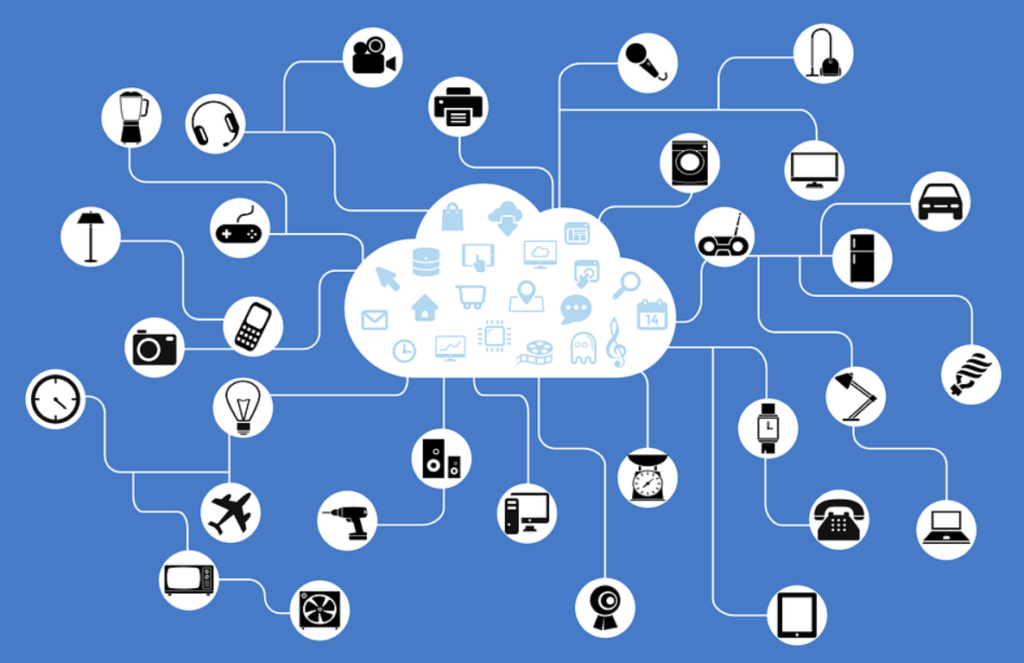
Businesses of all sizes are flocking to the cloud for business intelligence and analytics as it provides vast computing and storage resources without significant investment. Plus, the ability to gather and act on granular information is a key competitive advantage and one that is difficult and costly to achieve without business intelligence analytics in the cloud.
BYOD Policy
While BYOD (Bring Your Own Device) offers plenty of benefits for the enterprise and the employee, a strategic approach is necessary to mitigate the risks associated with users accessing the network and supported applications from outside of the corporate firewall.
Data Governance Strategy and Business Culture

Existing business cultures will have a profound impact on how those initiatives are carried out. In other words, a company’s “personality” and working environment may have as much to do with data governance success as any other factor in the plan.
Active Data Governance vs. Passive

Bad data within a corporate environment can also lead to interruptions in core business processes. Downtime can be particularly significant if the poor quality information in question triggers or is consumed by automated workflows. These disruptions not only drain worker productivity, they can negatively affect revenue generation.
Data Governance: Its Significance in MDM
Data governance not only helps to ensure the integrity of the master data that stakeholders use to formulate important business plans and make critical day-to-day business decisions, it aids in effective compliance with regulatory and information disclosure demands.